
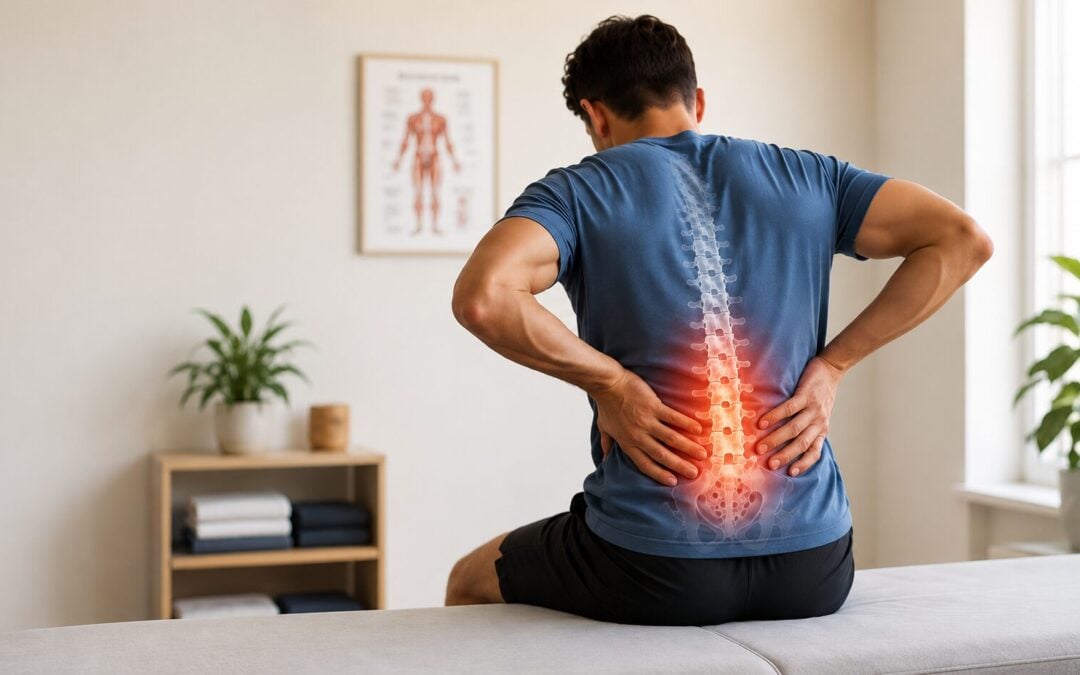
Low Back Pain Treatment in Eltham
Lower back pain is one of the most common reasons people seek treatment at Gateway Osteopathy. Whether your pain started after lifting something heavy, spending long hours at a desk, playing sport or seemingly “for no reason at all”, it can quickly affect your ability to work, sleep and enjoy everyday life.
The good news is that most episodes of lower back pain improve. Early assessment, education and an appropriate management plan can help you return to the activities you enjoy as quickly and safely as possible.
At Gateway Osteopathy, we’ve been helping people from Eltham, Research, Diamond Creek, Warrandyte, Greensborough and the surrounding communities manage lower back pain since 2011.
If you’d like one of our experienced osteopaths to assess your back pain and develop an individualised treatment plan, we’re here to help.
Understanding Lower Back Pain
One of the biggest misconceptions about back pain is that it always means something has been seriously damaged.
In reality, the spine is an incredibly strong and adaptable structure. While lower back pain can certainly be painful and frustrating, most episodes are not caused by serious injury and often improve with time, appropriate movement and the right advice.
Back pain may involve several structures, including:
- Muscles
- Ligaments
- Facet joints
- Intervertebral discs
- Nerves
- Connective tissues surrounding the spine
In many cases, lower back pain develops as the result of several contributing factors rather than one single cause.
Common Causes of Lower Back Pain
Lower back pain can develop for many different reasons, including:
- Lifting or twisting awkwardly
- Prolonged sitting
- Repetitive bending
- Sporting injuries
- Pregnancy-related changes
- Osteoarthritis
- Disc injuries
- Muscle strains
- Poor movement habits
- Reduced physical activity
- Previous back injuries
Sometimes symptoms begin after a specific incident, while at other times people simply wake up with a stiff or painful back.
Common Symptoms
Lower back pain can present in many different ways.
You may experience:
- A dull ache across the lower back
- Sharp pain when bending or standing
- Difficulty getting out of bed
- Pain after prolonged sitting
- Pain travelling into the buttock
- Stiffness first thing in the morning
- Muscle spasm
- Difficulty standing upright
- Pain when lifting children, shopping bags or other everyday objects
If your pain travels below the knee or is associated with numbness, tingling or weakness, one of our osteopaths can assess whether a nerve may also be involved.
Do I Need an MRI or X-ray?
One of the first questions many patients ask is whether they need a scan.
For most people, the answer is no.
Research has shown that many people without back pain have age-related changes visible on MRI scans. Finding a disc bulge, arthritis or disc degeneration on a scan does not automatically mean these changes are responsible for your pain.
During your assessment, your Osteopath will determine whether imaging is appropriate. If we believe further investigation is necessary, we’ll discuss this with you. Depending upon the scans required we may need to communicate with your GP or specialist.
When Should I Seek Urgent Medical Attention?
Although most episodes of lower back pain are not serious, certain symptoms require prompt medical assessment.
Seek urgent medical attention if you experience:
- Loss of bladder or bowel control
- Numbness around the groin or saddle region
- Progressive weakness in one or both legs
- Significant trauma
- Fever accompanied by severe back pain
- Unexplained weight loss
- Severe pain that is constant and not improving
If you’re unsure, contact our clinic and we’ll help guide you towards the most appropriate care.
How Can Osteopathy Help?
Every episode of lower back pain is different.
Rather than applying the same treatment to everyone, we begin with a thorough assessment to understand the factors contributing to your symptoms.
Depending on your presentation, treatment may include:
- Hands-on joint mobilisation or manipulation where appropriate
- Soft tissue therapy
- Dry needling (where appropriate)
- Advice regarding activity modification
- Individualised exercise prescription
- Postural and workplace advice
- Education to help you better understand your condition
Our aim is not simply to reduce your pain today, but to help reduce the likelihood of ongoing or recurring problems by improving your understanding, movement and confidence.
Why Exercise Matters
One of the biggest changes in back pain management over the past decade has been our understanding of the importance of movement.
While short periods of relative rest may occasionally be appropriate, prolonged bed rest is rarely recommended.
For most people, gradually returning to normal movement and rebuilding strength leads to better long-term outcomes than avoiding activity altogether.
Every person is different, which is why your exercise programme should be tailored to your individual abilities, goals and stage of recovery.
How Clinical Pilates May Help
For many people, hands-on treatment is only one part of recovery.
Clinical Pilates focuses on improving:
- Core endurance
- Hip strength
- Movement confidence
- Balance
- Flexibility
- Functional movement patterns
Unlike large fitness classes, your Clinical Pilates programme at gateway is individualised based around your needs, and our clinical pilates instructors are highly trained professional professionals and work closely with your treating practitioner.
This allows your rehabilitation to progress safely while exercises are modified as your symptoms improve.
Many patients transition from osteopathic treatment into Clinical Pilates to help reduce recurrent episodes of lower back pain and improve their long-term spinal health.
Frequently Asked Questions
Should I keep moving if my back hurts?
In most cases, yes. Gentle movement, such as walking, is generally more beneficial than prolonged rest.
Is my mattress causing my back pain?
Sometimes a mattress can contribute to symptoms, but it is rarely the sole cause. We’ll discuss this during your assessment if we believe it may be relevant.
Is it safe to exercise?
For most people, appropriate exercise is an important part of recovery. We’ll advise you on which activities are suitable based on your individual condition.
Will I need ongoing treatment?
Some people recover after only a few visits, while others with longstanding or recurrent pain benefit from a longer rehabilitation programme. We’ll discuss realistic expectations with you from the outset and develop a plan that suits your goals.
Why Choose Gateway Osteopathy?
We’ve been caring for the Eltham community since 2011 and believe the best outcomes come from combining hands-on care with education and active rehabilitation.
Our approach includes:
- Thorough assessment
- Individualised treatment
- Exercise prescription
- Clinical Pilates rehabilitation
- Dry Needling
- Shockwave Therapy where appropriate
- Easy online booking
- Private health fund rebates
- Convenient on-site parking
Ready to Take the Next Step?
If lower back pain is affecting your work, sport or everyday life, we’d love to help.
Book an appointment with one of our experienced osteopaths and let us help you understand your back pain, improve your movement and get back to doing the things you enjoy.
Recent Comments